Skin Cancer
What is skin cancer?
Skin cancers are malignant tumors in which there is an uncontrolled proliferation of any one of the many skin cell types, whereas the normal process of regeneration of skin involves replication of the cells in a controlled fashion. Each subtype of skin cancer has unique characteristics.
The most common forms of skin cancer are:
- Basal cell carcinoma (BCC)
- Squamous cell carcinoma (SCC), including keratoacanthoma
- Melanoma.
The term non-melanoma skin cancer refers to all types of skin cancer apart from melanoma. BCC and SCC are also called keratinocyte cancer.
Early, superficial skin cancers include:
- Superficial basal cell carcinoma
- Intraepidermal squamous cell carcinoma (Bowen disease, in-situ squamous cell carcinoma) and actinic keratoses
- Melanoma in situ.
Who gets skin cancer?
Skin cancer most commonly affects older adults, but it can also affect younger adults, and rarely, children.
- Skin cancer tends to affect individuals with fair skin (Fitzpatrick skin phototype I, II and III), although people with darker skin can also develop skin cancer.
- People who have had skin cancer have an increased risk of developing other skin cancers.
- A family history of skin cancer also increases risk.
- Certain genes such as melanocortin-1 receptor has been identified as carrying an increased risk of skin cancer.
What causes skin cancer
- exposure to ultraviolet radiation
- Smoking (especially for SCC)
- Human papillomavirus infection (Genital warts), particularly for mucosal sites such as oral mucosa, lips, and genitals
- Drug-induced immune suppression, for example in patients who have received an organ transplant and are on azathioprine and ciclosporin
- Other medicines such as hydrochlorothiazide
- Human immunodeficiency virus infection (HIV)
- Exposure to ionising radiation
- Exposure to certain chemicals, such as arsenic and coal tar
- Longstanding skin diseases such as lichen sclerosis, lupus
What are the clinical features of skin cancer?
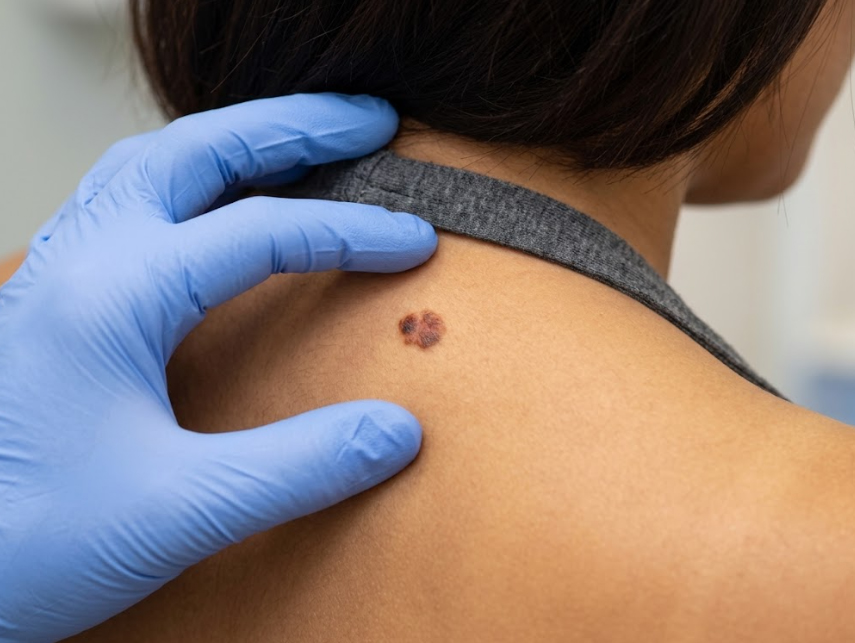
Skin cancers generally appear as a progressive lump or nodule, an ulcer, or a changing lesion.
What are the complications of skin cancer?
Skin cancer can usually be treated and cured before complications occur. Signs of advanced, aggressive, or neglected skin cancer may include:
- Ulceration
- Bleeding
- Local invasion and destruction of adjacent tissues and structures
- Distant spread of a tumour to lymph glands, liver and brain (metastasis).
How is skin cancer diagnosed?
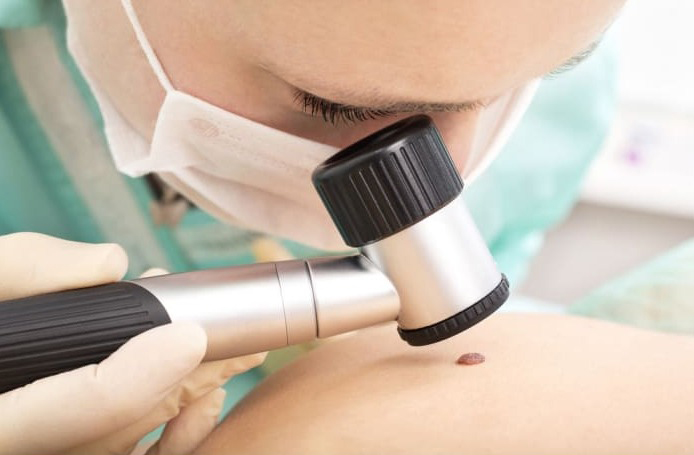
Dermo copy (using a special magnifying light) may be used to confirm the diagnosis, to detect early skin cancers, and to exclude benign lesions.
A partial skin biopsy may be taken in cases of suspected non-melanoma skin cancer to confirm the diagnosis or determine a subtype which may influence treatment.
Complete excision
The diagnosis is confirmed in the laboratory by a histopathologist. It can take a few days for the report to be issued, or longer if special tests are required.

What is the treatment for skin cancer?
Early treatment of skin cancer usually cures it.
The majority of skin cancers are treated surgically, using a local anesthetic to numb the skin.
Surgical techniques include:
- Excision biopsy
- Wide local excision
- Mohs micrographic surgery.
Treatment options for superficial skin cancers include:
- Minor surgery including curettage and diathermy/cautery and electrosurgery
- Cryotherapy
- Topical therapy such as fluorouracil cream, imiquimod cream or ingenol mebutate gel
- Photodynamic therapy (photosensitising cream plus light)
- Radiotherapy (x-ray treatment)
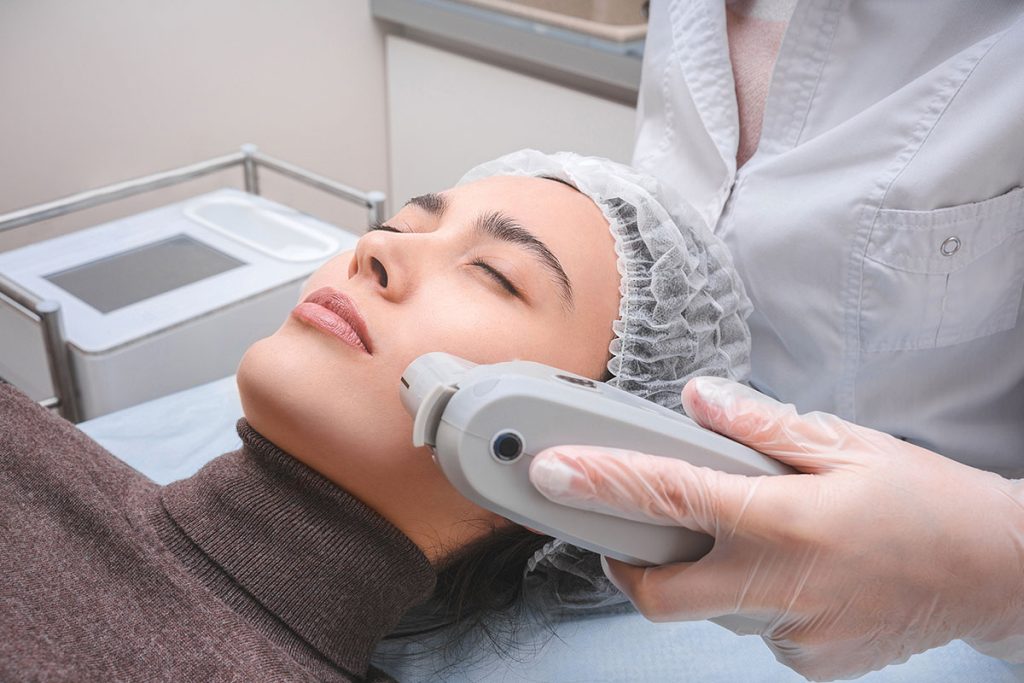
- Lasers

Patients with skin cancer may be at increased risk of developing other skin cancers. They may be advised to:
- Practice careful sun protection, including the regular application of sunscreens
- Learn and practice self-skin examination
- Have regular skin checks
- Photographic surveillance
- Undergo digital dermoscopic surveillance (mole mapping), especially if they have many moles or atypical moles
- Seek medical attention if they notice any changing or enlarging skin lesions
- Take nicotinamide (vitamin B3) or acitretin (off-label) to reduce the numbers of squamous cell carcinomas.
- Be safe - be SunSmart
Be safe - be SunSmart
Australia sunlight can have high levels of ultraviolet (UV) radiation. UV radiation can cause skin and eye damage. You can protect yourself and your children by being SunSmart. Learn how to keep safe while still living life in the sun.