ACNE
What is acne?
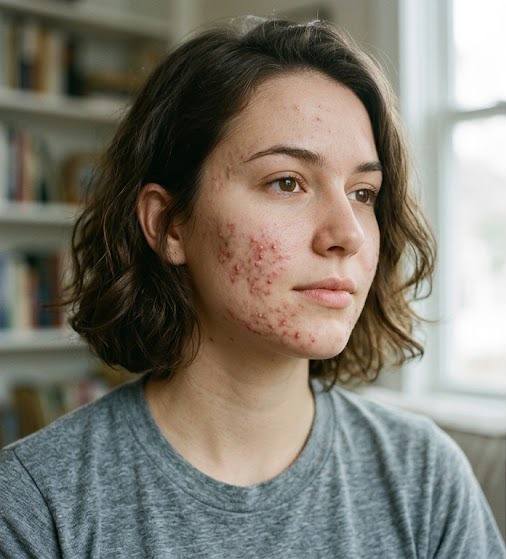
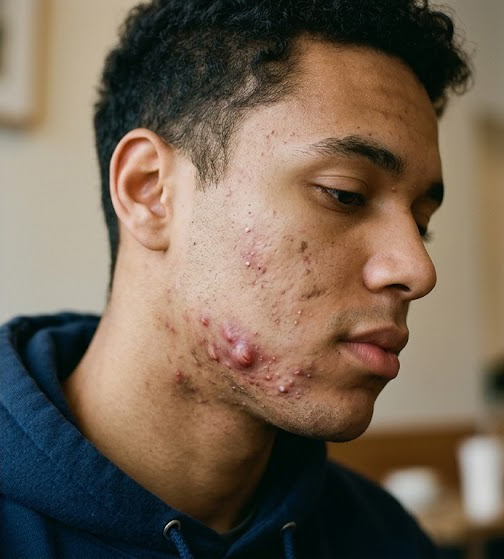
Acne is a common chronic disorder affecting the hair follicle and sebaceous gland, in which there is expansion and blockage of the follicle and inflammation. There are several variants.
Who gets acne?
Acne affects males and females of all races and ethnicities. It is prevalent in adolescents and young adults, with 85% of 16- to 18-year-olds affected. However, it may sometimes occur in children and adults of all ages.
What causes acne?
Acne is due to a combination of factors. The exact mechanisms are not fully understood.
- Familial tendency
- Endogenous and exogenous androgenic hormones
- Acne bacteria
- Innate immune activation with inflammatory mediators
- Distension and occlusion of the hair follicles
Flares of acne can be provoked by:
- Polycystic ovarian disease
- Drugs: steroids, hormones, anticonvulsants, epidermal growth factor receptor inhibitors and others
- Application of occlusive cosmetics
- High environmental humidity
- Diet high in dairy products and high glycemic foods.
What is the treatment for acne?
Mild ACNE
- Topical anti-acne agents, such as benzoyl peroxide, azelaic acid, and tretinoin or adapalene gel and some antibiotics (clindamycin). New bioactive proteins may also prove successful.
- Newer topical agents such as clascoterone
- Low-dose combined oral contraceptive
- Antiseptic or keratolytic washes containing salicylic acid
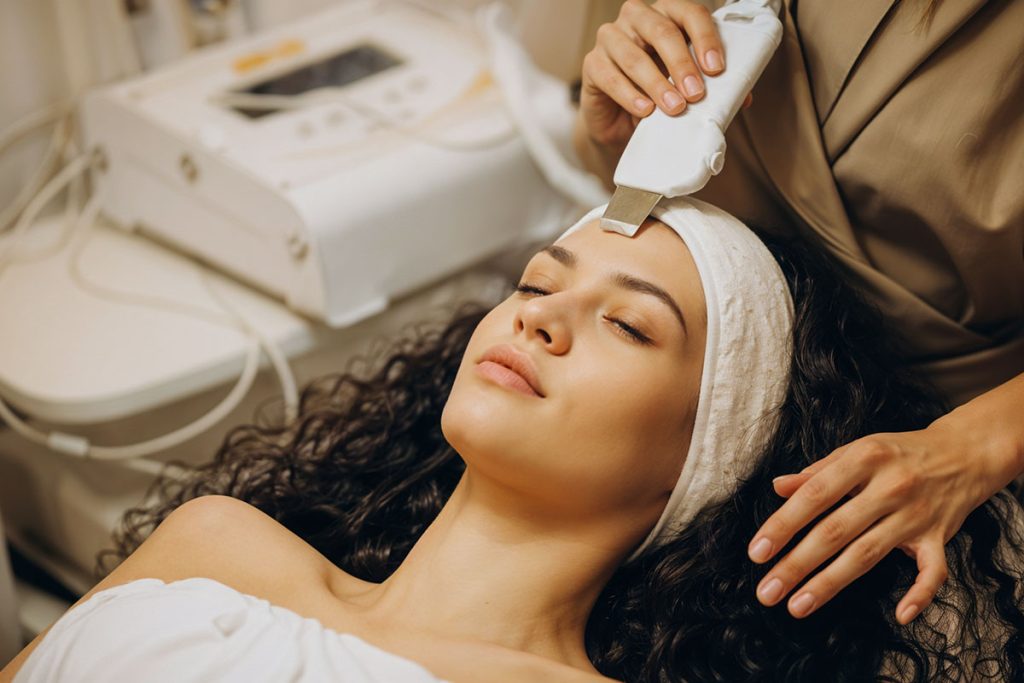
- Light/laser therapy
- chemical peels
- Probiotics may have some effect, but only after 3 months of use
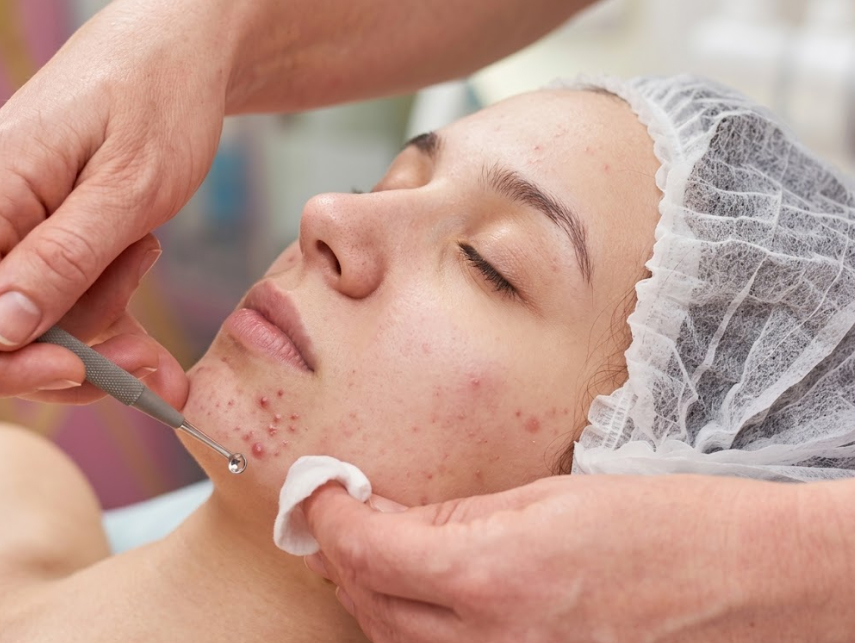
Moderate acne
- As for mild acne plus a tetracycline such as doxycycline
- Antiandrogen therapy with long-term cyproterone acetate + ethinylestradiol or spironolactone may be considered in women not responding to low-dose combined oral contraceptive, particularly for women with polycystic ovaries
- Isotretinoin is often used if acne is persistent or treatment-resistant
- Fraxis Laser
- LED therapy
- IPL therapy
- Jan Marini chemical peel
Book your acne consultation
Call us on (02) 7500 5858 or book online.