Cosmetic Injections
Anti-Wrinkle Consultation
Wrinkle relaxers offer a non-invasive method to diminish wrinkles and smooth out expression lines. By gently relaxing the facial muscles that contribute to these lines, your skin will appear smoother and more youthful, enhancing your confidence.
Targeted Treatment Areas:
- Lines between the eyebrows (Frown lines)
- Crow’s feet around the eyes
- Forehead wrinkles
- Lines around the mouth
- Bunny lines on the nose
- Drooping eyebrows
- Chin dimples and puckering
- Neck bands and sagging jawline (Nefertiti Lift)
Wrinkle relaxers are also beneficial for treating conditions like excessive sweating, migraines, and teeth grinding.
Understanding Anti-Wrinkle Injections
Anti-wrinkle injections utilise a purified form of Botulinum Toxin A. When administered into specific facial muscles, this toxin blocks nerve signals, preventing muscle contraction and leading to muscle relaxation.
Over time, repeated facial movements can cause wrinkles to form and deepen. By reducing muscle activity, anti-wrinkle injections can help diminish existing wrinkles and prevent new ones from appearing.
Tailored Treatment Plans
our experience begins with a detailed consultation where we review your medical history, discuss your concerns, and identify your aesthetic goals. This allows us to develop a personalized treatment plan that meets your unique needs.

Anticipated Results
Results from anti-wrinkle injections may begin to show within a few days, with the full effect typically visible after two weeks. During a follow-up visit, your doctor will evaluate the outcome and may recommend an additional dose if necessary.
Post-treatment, your skin will look firmer and smoother, with a noticeable reduction in wrinkles. The effects usually last around 3-4 months, depending on the individual and specifics of the treatment.
Facial wrinkles and lines can be reduced with cosmetic injections into the skin. The 2 main types of injectable substances used are:
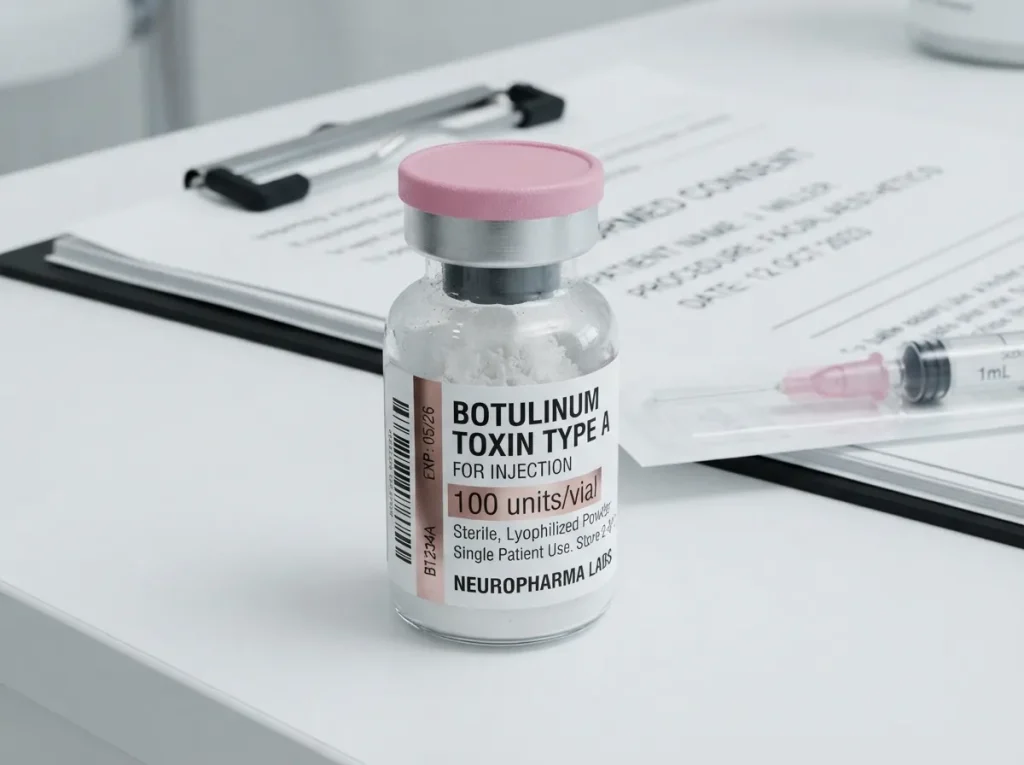
Botulinum toxin type A

Dermal fillers
To treat deep lines, the responsible medical practitioner may decide to use both types of injectables to achieve the best result.
Botulinum toxin type A
is given by intramuscular (IM) injection to weaken muscles in the face and lessen the lines associated with facial expression. The toxin relaxes the underlying muscles and allows the skin to flatten out.
Dermal fillers
are piped by injection along wrinkles and lines to plump the skin. Examples of dermal fillers include bovine (cow) collagen and the person’s own body fat.
Botulinum toxin type A
Medical practitioners use botulinum toxin type A to treat medical conditions including facial tics, muscle spasms and excessive sweating. It is currently available in Australia under the brand names Botox® and Dysport®. In Australia, botulinum toxin type A is registered for cosmetic use to treat facial lines and wrinkles.
Uses for botulinum toxin type A
Botulinum toxin type A is injected into certain muscles of the face to soften facial lines, including:
- Frown lines between the eyebrows
- Lines across the bridge of the nose
- Forehead lines
- ‘Crow’s feet’ wrinkles extending from the outside corners of the eyes
- Lines on the throat (‘turkey neck’)
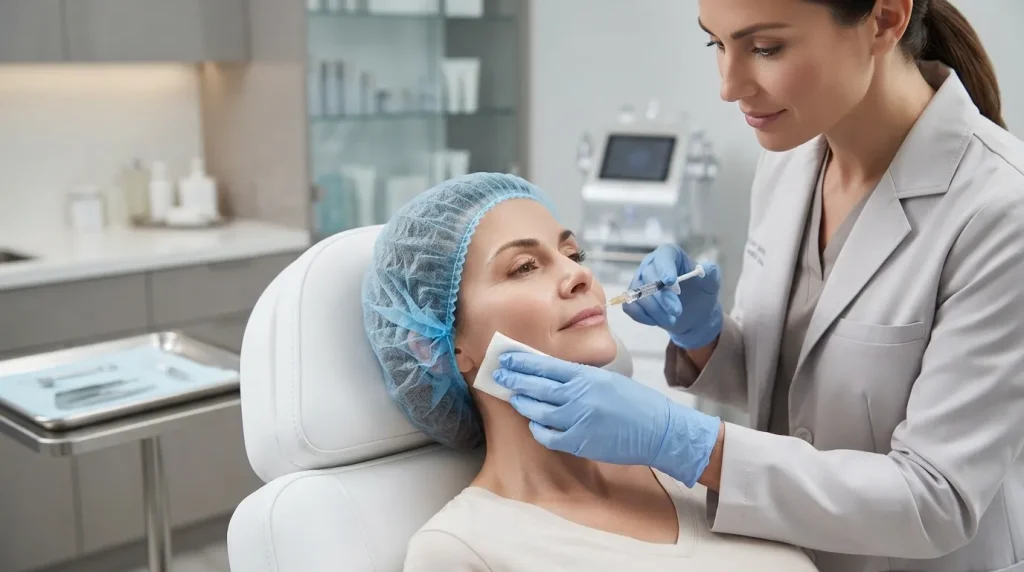
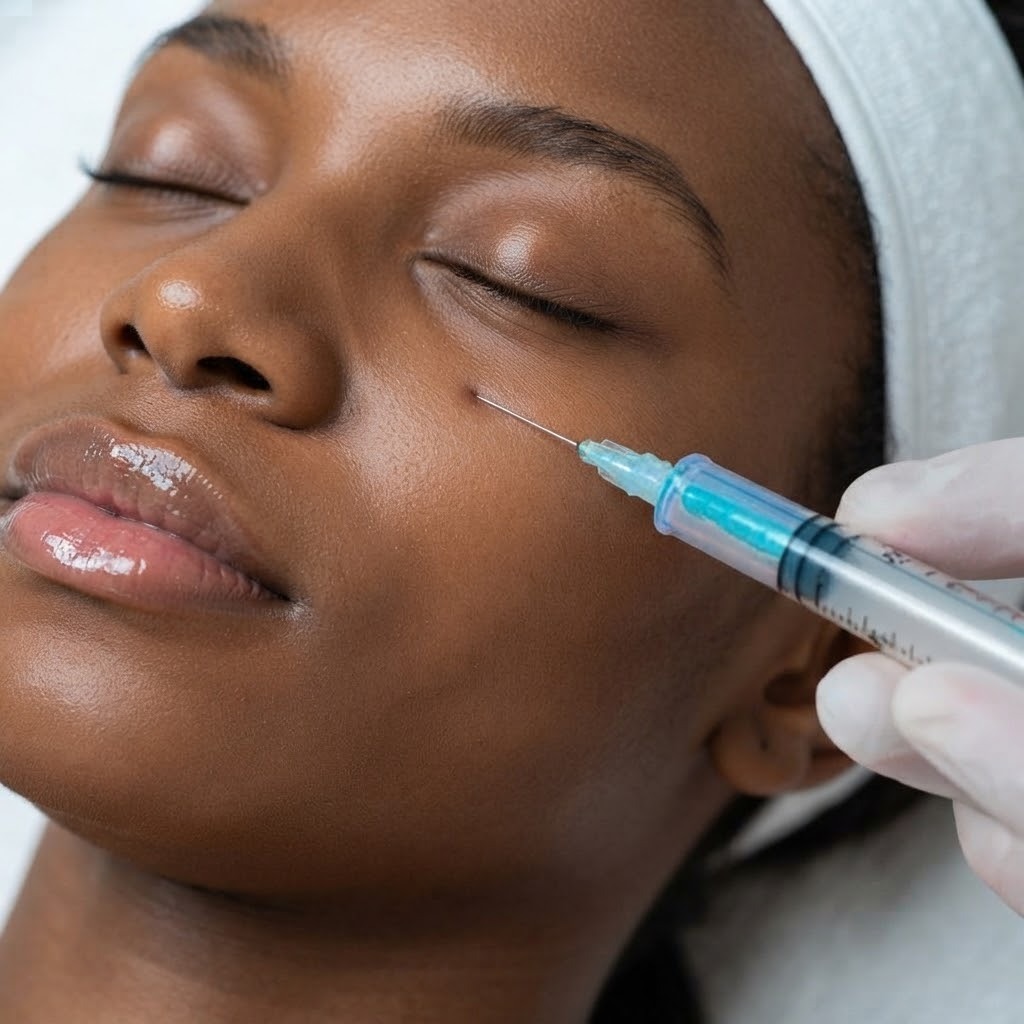
A very fine needle is used to inject the botulinum toxin type A into selected facial muscles. Discomfort is minimal and brief. Most people describe it as an ant-bite sting lasting a few seconds. The wrinkle-smoothing effects of the injection may last for up to six months.
Things to consider with cosmetic injectables
Important things to think about before deciding on any cosmetic treatment:
Most anti-wrinkle injections and dermal fillers are ‘prescription-only’ medicines which must be administered by a registered health practitioner.
Choose and consult a registered medical practitioner in person and ask them about their training and experience in performing the procedure.
Inform yourself fully of the possible risks, side effects and complications of the procedure.
Be honest about your expectations. Cosmetic treatment may improve your appearance and self-confidence, but it won’t necessarily deliver your ‘ideal’ body image or change your life.
Serious, life-threatening complications can occur as a result of cosmetic injections. Be aware of the signs and symptoms of possible complications. If you experience serious complications, call triple zero (000) for an ambulance, or go immediately to your nearest emergency department.

Be aware that:
Only registered medical practitioners (and in limited cases dentists) can lawfully prescribe ‘prescription-only’ medicines.
Nurses may only administer ‘prescription-only’ medicines when authorised to by a registered medical practitioner who has taken responsibility for the care and treatment of the patient.
It is also important to tell your medical practitioner if you:
- are taking or are likely to take antibiotics, especially aminoglycoside antibiotics
- are scheduled to have surgery using a general anesthetic
- have inflammation or severe weakness in the muscles where the product would be injected
- are pregnant or intend to become pregnant
- are breastfeeding or planning to start breastfeeding
- have ever had facial surgery
- have angle closure glaucoma
- have problems with your heart or circulation
- are taking drugs that may interfere with muscle function
Complications of botulinum toxin type A
Side effects, if they occur, are usually temporary and around the injection area. They can include:
- Drooping of the eyelids
- Headache
- Face pain
- Redness
- Swelling where you were injected
- Bruising
- Skin tightness
- Muscle weakness
- Numbness or a feeling of pins and needles
- Nausea
- Blurred vision